PLATFORM / EVIDENCE & TRUST
Trust begins
with a closer look.
See the source, observation time, review status and open questions behind an assessment.
Look inside an assessment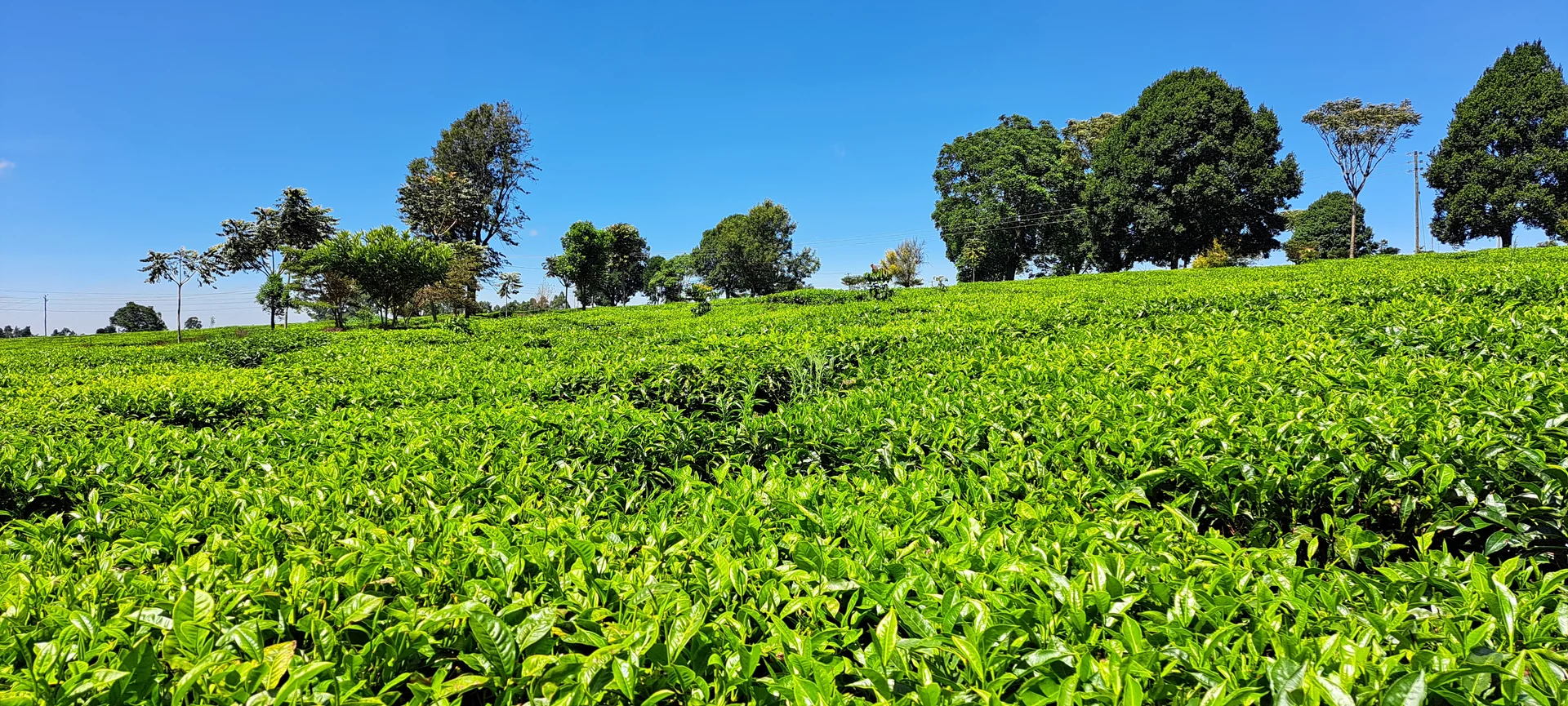 ONE LANDSCAPE. MANY QUESTIONS.What can we see?
What can we conclude?01 / LOOK BEHIND THE ASSESSMENT
A conclusion.
With its context attached.
This fictional example shows the information to look for. A live record will carry its sources and review history.
FOOD & AGRICULTUREILLUSTRATIVE EXAMPLE
THE ASSESSMENT
Food-supply pressure
warrants a closer look.
In this example, changing rainfall and staple prices raise a question about local supply. The available observations support further investigation.
Confidence ProvisionalReview Pending
THE QUESTION TO KEEP OPENIs this a lasting supply change, or a temporary pattern with another explanation?
WHAT REMAINS UNCERTAINHow widely does the pattern apply? What else could explain it? New information may strengthen, weaken or change the assessment.
02 / CLARITY INCLUDES THE LIMITS
Knowing the gaps
is part of
knowing the situation.
Evidence, interpretation and confidence each tell you something different. Keeping them visible helps people judge what an assessment can support.
01Keep the source attached.
See who reported it, when it was observed and which evidence supports it.
Keep the review visible.
Follow what is pending, verified or disputed. New evidence can change the assessment.
Keep people accountable.
Reviewers can challenge or escalate a record. Intelligence supports a decision; people make it.
THERE WILL BE SIGNS.
Ask what they mean.
Ask why you should believe it.
Explore Natabiri with the evidence—and the unanswered questions—in view.